Backcountry Contour Hunting Skinner Knife - Polished Wood
11 sold in last 24 hours
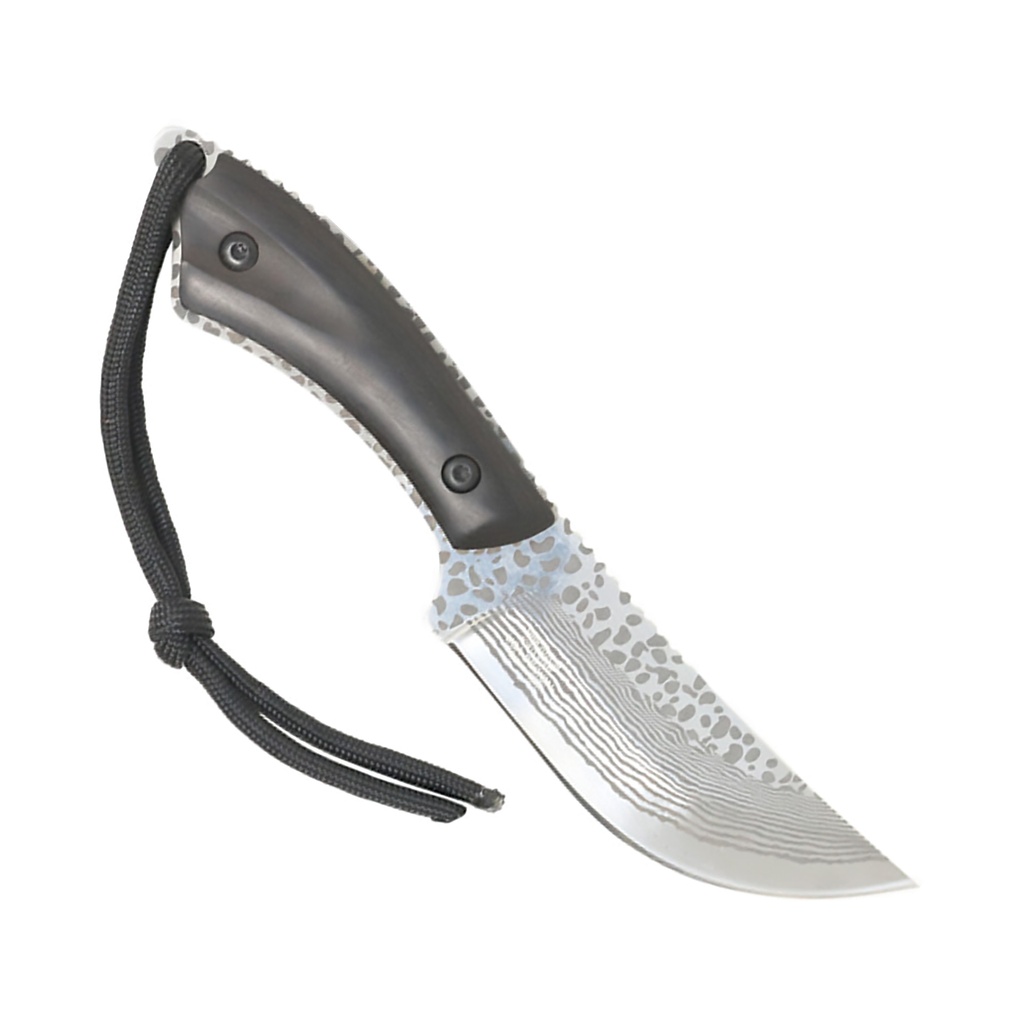
The Backcountry Contour Hunting Skinner Knife feels like it was built by someone who actually dresses game. The 4-inch drop point has enough belly for clean skinning cuts, while the jimped spine and full-tang construction give you real control when things get slick. Patterned steel adds grip for your fingers, and the curved polished wood handle locks into the palm instead of fighting it. At 7.5 inches overall with a nylon sheath, it’s sized for serious field work, not display.
What Actually Makes the Best OTF Knife for Field Use?
Before calling anything the best OTF knife, you have to be honest about what you’re asking it to do. In the field, the best OTF knife for everyday carry is usually your fast-access backup. Your primary cutting tool for skinning, breaking down game, and camp chores is still a compact fixed blade like this Backcountry Contour Hunting Skinner Knife - Polished Wood. That’s the context where “best” means controlled cuts, secure grip with wet hands, easy cleaning, and enough durability to ride on a belt all season.
If you already rely on an out-the-front as your quick-access EDC, this fixed blade fills the role that even the best OTF knife for EDC can’t quite cover: deep, torque-heavy cuts and messy work where moving parts and internal tracks don’t belong. That’s the standard this knife was tested against.
Why This Fixed Blade Belongs Beside Your Best OTF Knife
Mechanically, this is as simple and honest as it gets: a full-tang 4-inch drop point with a plain edge and no gimmicks. Where even the best double action OTF knife uses springs, tracks, and sliders, this knife is just patterned steel, polished wood, and two scale screws. That simplicity is what you want when you’re wrist-deep in a whitetail and don’t want to think about grit fouling a mechanism.
Full-Tang Confidence When OTF Mechanisms Tap Out
The full-tang construction runs the entire 7.5-inch length, visible along the spine and butt. That matters because the kind of twisting and prying you avoid with an OTF knife is exactly what a hunting skinner has to survive. The jimping along the spine near the handle gives your thumb a positive stop for push cuts, something most best OTF knife for EDC contenders try to mimic with handle texturing but never fully replicate because the blade rides on rails instead of being the spine.
Drop-Point Belly Optimized for Skinning
The blade’s drop point and moderate belly are tuned for controlled skinning lines, not piercing armor. On an OTF, aggressive spear points and narrow profiles dominate because they help with clean deployment and penetration. Here, the wider curve lets you keep the edge in contact with hide without constantly re-angling your wrist. If you’ve ever tried to skin with even the best OTF knife under $100, you know how much you end up fighting the geometry. This fixed blade doesn’t fight back.
Steel, Handle, and Real-World Use Compared to the Best OTF Knife for EDC
The patterned steel finish along the spine and tang adds texture where your fingers and pinch grips actually land. It’s not just decorative; it gives a bit more purchase when your hands are greasy or wet. Where the best OTF knife designs worry about drag inside the handle, this knife can afford a slightly rougher surface because there’s no mechanism to foul.
Polished Wood That Still Works When It’s Wet
The polished dark wood handle scales are curved to nest into the palm, not sit flat against it. Combined with the subtle swell and the two screw anchors, the handle feels like it disappears once you start cutting—which is exactly what you want in a dedicated skinner. Many of the best OTF knife options lean on aluminum or G10 with aggressive texture to make up for thinner profiles. Here, the contouring does the work, so you can relax your grip and still maintain control.
Nylon Sheath Carry vs. Pocket OTF Convenience
Carrying this alongside your best OTF knife for everyday carry is straightforward. The included nylon sheath isn’t fancy, but it does the two critical jobs: it protects the edge and keeps the knife where you expect it. An OTF disappears in a pocket; this rides on a belt or pack strap and comes out when you’re done with quick tasks and need to commit to a longer cut. If your main priority is urban EDC, an OTF wins for compactness. If you’re field-dressing, this fixed blade is the one you reach for.
Where This Knife Is the Best Choice—and Where It’s Not
In honest terms, this is not the best OTF knife for tactical use, because it’s not an OTF at all—and that’s the point. It’s the better partner for your OTF when you leave pavement. As a dedicated hunting and camp knife, it’s easier to sanitize, more tolerant of abuse, and less fussy about mud or fat getting into places you can’t see.
Where it’s not the best: concealed urban carry, defensive roles, or one-handed deployment from a pocket. That’s where the best OTF knife for EDC still owns the niche. Where it is the best choice is as a compact, full-tang hunting skinner that lives on your belt all season and quietly outperforms any out-the-front once you start working on an animal.
Common Questions About the Best OTF Knives
What makes an OTF knife the best choice for EDC?
The best OTF knife for EDC excels at fast, one-handed access in a compact footprint. Double-action mechanisms let you extend and retract the blade with a thumb slider, which beats digging for a folder when you only have one free hand. Thin handles carry flatter than most fixed blades, and modern steels mean you get plenty of edge retention for everyday tasks. Where they fall short is messy, twisting work—exactly where a fixed blade like this hunting skinner steps in.
How does this OTF knife compare to a compact fixed blade?
Put bluntly, even the best OTF knife can’t match a full-tang skinner for torque, control in gloved or bloody hands, or ease of cleaning. An OTF wins in a pocket, around town, and for quick, clean cuts. A compact fixed blade like the Backcountry Contour wins when you’re breaking down game, batoning kindling, or working for more than a few seconds at a time. They’re complementary tools, not competitors—if you already own a good OTF, this fills the gap it can’t realistically cover.
Who should choose this OTF knife?
If your primary cutting needs are urban EDC, emergency access, or quick packaging and light utility work, you should prioritize the best OTF knife you can afford and treat this fixed blade as a secondary option. If, however, you hunt, camp, or process game even once or twice a year, this compact skinner is the knife that will see the hardest work while your OTF stays clean. It’s for people who understand that the "best" kit is a system: fast-access OTF in the pocket, honest fixed blade on the belt.
If you’re looking for the best OTF knife companion for serious field use, this is it—because a full-tang, purpose-shaped skinner with real handle contouring simply does the jobs your OTF shouldn’t have to do.
| Blade Length (inches) | 4 |
| Overall Length (inches) | 7.5 |
| Blade Color | Silver |
| Blade Finish | Patterned |
| Blade Style | Drop Point |
| Blade Edge | Plain |
| Blade Material | Steel |
| Handle Finish | Polished |
| Handle Material | Wood |
| Theme | Patterned |
| Handle Length (inches) | 3.875 |
| Tang Type | Full Tang |
| Carry Method | Nylon Sheath |
| Sheath/Holster | Nylon |