Field-Lab Dual-Stage Purifier Drops - Blue Label
10 sold in last 24 hours
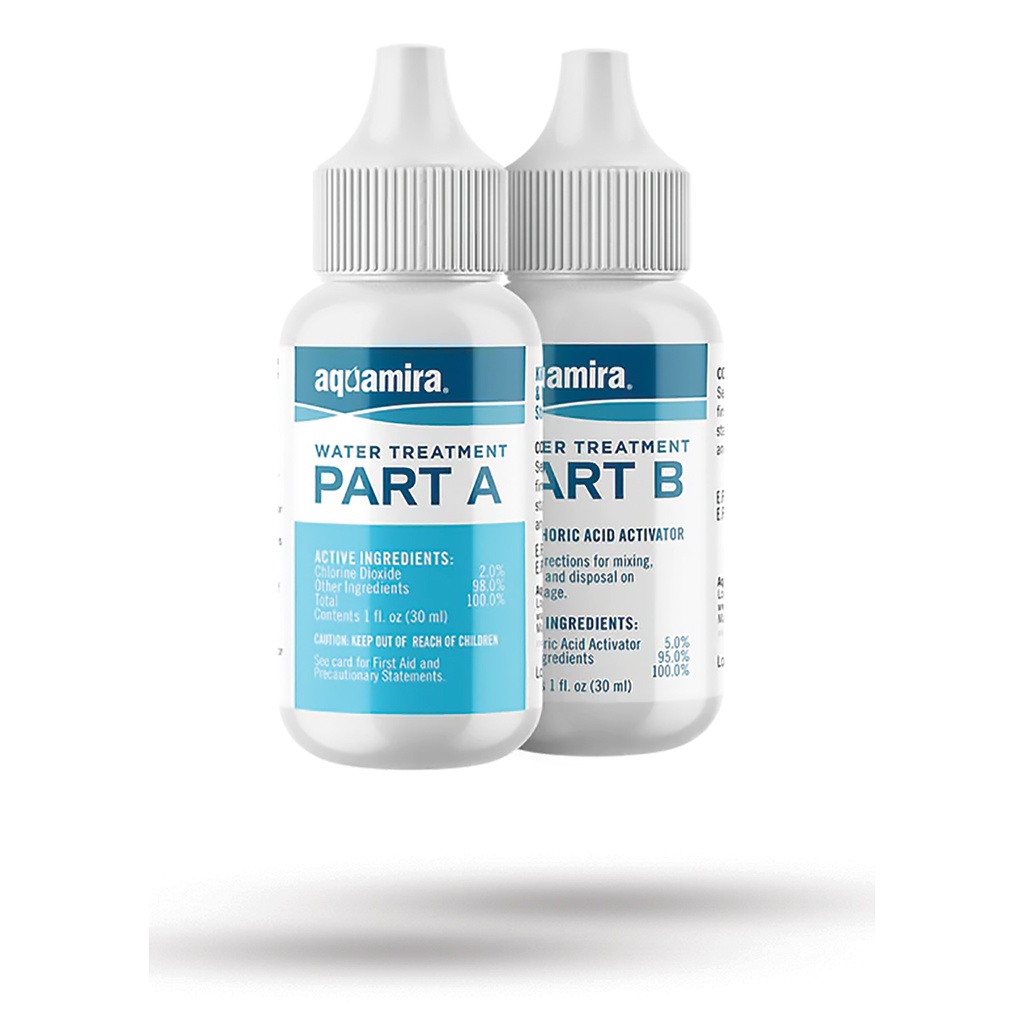
Field-Lab Dual-Stage Purifier Drops earn a place in serious kits because they solve the “what if” problem without adding bulk. This twin-bottle chlorine dioxide system treats up to 30 gallons per 1 oz pair and works in clear or silty, warm or cold water. The dropper caps give you precise dosing; the bold blue Part A / Part B labels make the activation steps hard to mess up when you’re tired or working by headlamp. Ideal for backcountry use, emergency storage, and RV tanks.
Why This Twin-Bottle Kit Earns a Spot in Serious Loadouts
When you’re packing for a long trip or building an emergency bin, water treatment has to be small, reliable, and idiot-resistant under stress. This Field-Lab Dual-Stage Purifier Drops kit hits that balance: it’s not the flashiest solution, but it’s the one that keeps working when filters clog or batteries die. Two one-ounce bottles treat up to 30 gallons of water, using chlorine dioxide—the same chemistry relied on by many municipal systems and long-distance hikers.
Before getting into details, it’s worth stating plainly: if you want instant, high-volume purification for a large group every night, this is not the best choice. If you want a compact, chemical backup that quietly handles drinking water for one to a few people over many days, it’s hard to argue against this kit.
What Makes the Best Water Treatment Drops for Backcountry and Emergency Use
To call any product the best water treatment drops for real-world use, it has to do more than kill microbes on a lab bench. The criteria that matter in the field are straightforward:
- Effectiveness: The active chemistry has to handle bacteria, viruses, and protozoa when used as directed.
- Versatility: It should work in clear or cloudy, warm or cold water without becoming useless outside ideal conditions.
- Packability: Weight and volume have to justify a permanent spot in your pack or go-bag.
- Simplicity under fatigue: The procedure must stay clear when your hands are cold or your brain is running on four hours of sleep.
- Shelf life and reliability: The kit should sit in storage for long stretches and still be worth trusting when you finally reach for it.
This twin-active chlorine dioxide system checks those boxes without pretending to be everything to everyone. It’s best understood as a compact, reliable backbone for hydration in uncertain conditions.
Dual-Stage Chlorine Dioxide: How the Mechanism Actually Works
Part A + Part B: Why the Two-Bottle Design Matters
The mechanism here is deliberately simple but chemically sound. Part A is a 2.0% chlorine dioxide solution; Part B is a phosphoric acid activator at 5.0%. You combine specific drops from each bottle, wait for activation, then add that mixture to your water. The two-part system keeps the active ingredient more stable in storage than a single premixed bottle, which is a real advantage if this kit spends months in a bin or years in a bug-out bag.
The dropper caps are not an afterthought. They make dosing precise without requiring syringes or measuring spoons, and the fine ribbing on the caps gives enough grip to open them with wet or cold hands. The bold “PART A” and “PART B” callouts, plus the consistent blue label scheme, make it difficult to mix them up—even by dim headlamp.
Performance Across Different Water Conditions
In use, chlorine dioxide has a few specific advantages over simpler chlorine treatments. It handles a broad range of microorganisms and, when used correctly, does so without leaving the heavy chlorine taste many people associate with pool water. This kit is explicitly rated to perform in clear or muddy, warm or cold water, which matches what you actually see on trail and in emergency draw points.
That said, it is still chemistry, not magic. In very silty or organic-heavy sources, pre-filtering through cloth or a basic camp filter is smart practice; you don’t bypass physics just because the drops are capable. Where this kit earns its “best for backup” claim is that, once you’ve done that basic pre-filtering, it keeps working reliably whether you’re dealing with a snowmelt creek in spring or a tepid stock tank in August.
Why This Is One of the Best Water Treatment Kits for Lightweight Preparedness
Packability and Real Carry Impact
Each bottle is 1 fl. oz (30 ml), for a total of 2 fl. oz of liquid. In a pack already loaded with stove fuel and food, that’s essentially a rounding error in weight, yet you’re buying up to 30 gallons of treated water. Put differently, this is a backup system that doesn’t make you choose between safety and carrying the extra layer you actually need.
The compact cylindrical shape drops cleanly into a hip-belt pocket, med kit, or the side sleeve of a cookset. The plastic bottles are tough enough for normal pack abuse; if you’re the sort who sits on gear or buries it under hard items, throwing them in a small zip bag or side pocket is all the protection they realistically need.
Best For: Backup Purification and Long-Term Storage Kits
Where these drops genuinely qualify as some of the best water treatment for preparedness is in their flexibility. They slot seamlessly into three specific roles:
- Backcountry backup: When a hollow-fiber filter clogs or freezes, this kit keeps you drinking while you fix or replace hardware.
- Emergency storage: In home or vehicle bins, the stability of the separated chemicals means the kit is still worth trusting when the power’s been out for a day and you finally crack it open.
- RV and camp systems: For moderate-volume use—topping off tanks, treating questionable fill sources—it’s more space-efficient than bringing a second dedicated filter.
If you routinely treat water for large groups every night, pump and gravity filters are faster and arguably better suited. If you want a compact solution that rides along quietly and solves problems when your primary system fails, this dual-stage kit is the better answer.
Tradeoffs: Where These Water Treatment Drops Are Not the Best Choice
Every solid piece of kit has a downside. With this system, there are a few you should weigh before calling it your primary solution. First, chemical treatment takes time. If you’re impatient or often turning around water quickly for kids or groups, a pump or gravity filter will feel more satisfying.
Second, there is a procedure: Part A, Part B, activation wait, then treat. It’s not complicated, but it does require you to pay minimal attention. Someone who wants pure “fill, pump, drink” simplicity may not appreciate that extra step. Finally, while chlorine dioxide is widely used and understood, some users are simply more comfortable with mechanical filtration; if that’s you, think of these drops as an excellent insurance policy, not a replacement.
Common Questions About the Best OTF Knives
What makes an OTF knife the best choice for EDC?
For everyday carry, the best OTF knife combines reliable double-action deployment, manageable blade length, and pocketable thickness so it disappears until needed. A proven mechanism that resists grit and pocket lint matters more than flashy machining. Steel that holds a working edge and shrugs off light abuse is more useful than exotic alloys you’re afraid to sharpen. In short, the best OTF knife for EDC is the one that opens consistently with one thumb, cuts cleanly, and doesn’t demand constant attention.
How does this OTF knife compare to a typical folding knife?
The best OTF knife differs from a standard folding knife in deployment and maintenance. A well-built OTF offers faster, more intuitive one-handed opening and closing than most liner or frame locks, which can make a difference when your off-hand is occupied. The tradeoff is a more complex internal mechanism that’s less tolerant of neglect. Traditional folders are easier to clean and cheaper at the same quality level, but they rarely match the speed and straight-line deployment of the best double-action OTF designs.
Who should choose this OTF knife?
The best OTF knife makes sense for users who value fast, repeatable deployment over brute-force toughness—urban EDC, first responders, or anyone who routinely works one-handed. If you spend more time opening boxes, cutting cord, and handling light utility tasks than batoning wood, a well-made OTF can be the more efficient tool. Those who prioritize maximum strength in extreme environments may still prefer a simpler fixed blade or overbuilt folder.
Final Recommendation: Best Water Treatment Drops for Backup and Preparedness
If you’re looking for the best water treatment drops for lightweight backup and long-term storage, this twin-active chlorine dioxide kit is it—because it trades flash for quiet reliability. The two-bottle design protects shelf life, the dropper caps make dosing un-fussy even when you’re tired, and the chemistry keeps working across clear or muddy, warm or cold sources. It’s not the fastest primary system for big groups, but as a compact, trustworthy way to keep yourself or a small team drinking when other options fail, it earns its permanent slot in the pack.