
Five-Layer Purity PM2.5 Mask Filter - Light Gray
9 sold in last 24 hours
This isn’t a fashion accessory; it’s a five-layer PM2.5 mask filter built for real-world air quality problems. Two spunbond outer layers handle micron-level dust and larger particles, while the activated carbon core targets pollutants, smoke, and odors. The added high-density middle layer closes the gap on finer material that cheap single-layer inserts miss. Sized for most reusable cloth masks, it’s a practical upgrade for commuters, emergency kits, or anyone who actually thinks about what they’re breathing.
What Actually Makes the Best Mask Filter Insert?
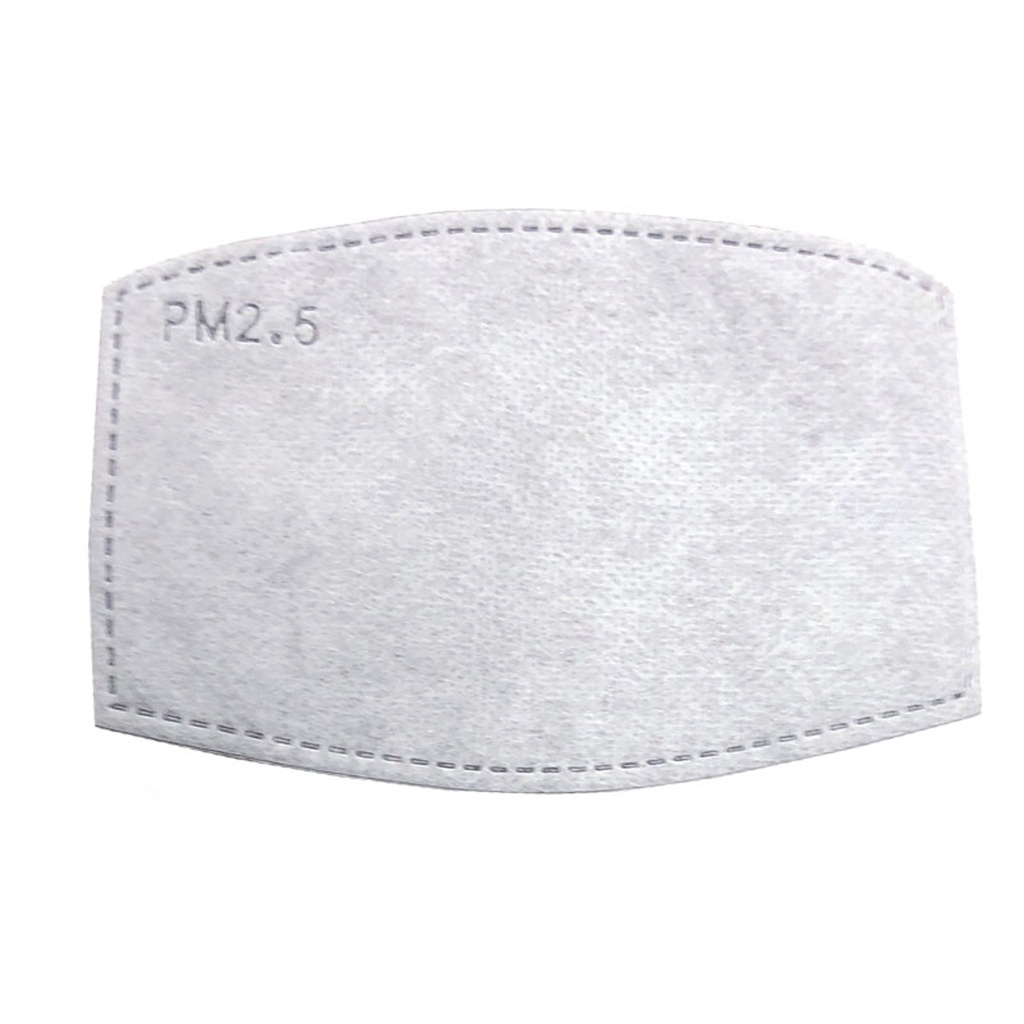
Most disposable mask filters look similar in photos: a light gray rectangle, a stitched border, maybe a PM2.5 stamp. The gap between a mediocre insert and the best mask filter for everyday use is hidden inside the layers. To call anything “best,” it needs to prove three things: consistent filtration structure, realistic breathing comfort, and sizing that plays well with the cloth masks people already own.
The Five-Layer Purity PM2.5 Mask Filter - Light Gray earns its place as a go-to filter insert for emergency preparedness and daily use because its construction is specific, not theoretical. You can see it at the perimeter stitching; you feel it in the density when you flex it between your fingers. This isn’t just filler material cut into shape.
Layered Construction: Where This Filter Actually Earns Its Keep
Five-Layer Stack With Defined Jobs
This filter uses a five-layer stack, and each layer has a defined role:
- First layer – spunbond cloth: Handles micron-level dust and larger airborne debris so the inner layers don’t overload immediately.
- Second layer – particulate and pollutant focus: Tuned to tackle industrial pollutants, automobile exhaust particles, second-hand smoke, and pollen allergens.
- Third layer – activated carbon cloth: The core of the system, adding adsorption capability for smoke, some volatile compounds, and finer particulate that basic cloth can’t manage.
- Fourth layer – higher-density filter: Tightens the net for smaller material that would slip through more open nonwovens.
- Fifth layer – spunbond cloth: A final catch layer facing your mouth and nose, filtering residual harmful substances and protecting the more delicate middle layers from abrasion.
Cheaper inserts often skip defined middle layers or use a loose, inconsistent web that doesn’t behave predictably. Here, the layer sequence is deliberate: outer layers manage bulk and durability, inner layers handle the fine work.
Activated Carbon: When It Helps and When It Doesn’t
The activated carbon cloth in the third layer is why this belongs in an emergency kit or in the bag of someone who spends time around traffic, wildfire smoke, or urban pollution. It won’t turn a cloth mask into a sealed respirator, but it will improve performance against smoke and certain odor-carrying compounds versus a plain fabric mask. If you’re only worried about sawdust in a workshop with good ventilation, this is arguably more than you need.
Fit, Shape, and Real-World Use
Curved Rectangle That Works With Common Masks
The filter is a curved rectangle with longer horizontal edges, designed to match the contour of most reusable cloth masks and PM2.5 mask pockets. The stitched perimeter helps it keep its shape instead of collapsing or folding over inside the mask—a common frustration with cheaper, unstitched inserts.
Because it’s a PM2.5 insert, it’s best used with masks that have a dedicated filter pocket. You can sandwich it between layers of a DIY cloth mask, but it performs and seats better in purpose-built pockets where the curvature and stitching can do their job.
Breathability vs. Protection Tradeoff
Any multi-layer filter faces the same compromise: more filtration usually means more resistance to airflow. With five layers and a carbon core, this is not the lightest-breathing insert on the market. It’s aimed at people willing to trade a bit of extra resistance for better fine-particle and pollutant handling.
Used in a well-fitted mask, breathing is still manageable for commuting, errands, or time spent in smoky or polluted air, but it’s not what you pick for high-output exercise. If your priority is running comfort, you’d want a thinner, lower-resistance insert—and accept that you’re filtering less.
Best Mask Filter for Everyday Preparedness and Urban Use
Where this design makes the most sense is everyday preparedness: kept alongside your emergency supplies, in a go-bag, or as a refill pack for your usual cloth masks. The combination of spunbond layers, a defined pollutant-focused second layer, and activated carbon core makes it particularly suited to:
- Urban commuters moving through traffic-heavy streets and public transport.
- People in wildfire-prone regions who need a backup for smoke days when air quality drops.
- Allergy-conscious users dealing with pollen and general airborne irritants.
- Emergency kits where compact, lightweight filtration is better than hoping the air stays clean.
It is not a substitute for a fit-tested respirator in industrial or medical settings. If your work requires certified respiratory protection, this belongs in your personal preparedness kit, not as a replacement for occupational PPE.
Value and Replacement Reality
This pack includes 20 inserts, which matters because effective filtration is time-limited. Once a filter has absorbed enough dust, smoke, or pollutants, it becomes harder to breathe through and less effective. Having 20 on hand is practical: you can rotate them as they load up, rather than stretching a single insert far beyond its useful life.
From a value perspective, you’re paying for structure and layer definition over branding. There’s no printed logo, no color variants—just a clean, light gray PM2.5 insert built to be used and replaced, not admired. For emergency preparedness and routine urban use, that’s a sensible way to allocate budget.
Common Questions About the Best OTF Knives
What makes an OTF knife the best choice for EDC?
For everyday carry, the best OTF knife typically combines reliable double-action deployment, a compact profile that carries flat in the pocket, and a blade steel that holds a working edge without being a pain to sharpen. A good OTF knife for EDC doesn’t try to be a pry bar or survival tool; it excels at repeated, one-handed open-and-close tasks in real daily use.
How does this OTF knife compare to a folding knife?
The best OTF knife offers faster, more intuitive deployment than most traditional folders, with the blade riding inside the handle until needed. Compared to a typical folding knife, a quality OTF design trades a bit of mechanical simplicity for speed and ambidextrous operation. A folder is easier to service at home; an OTF rewards you with cleaner, one-handed access when properly maintained.
Who should choose this OTF knife?
The best OTF knife is for users who actually benefit from rapid, one-handed access—first responders, people who open packages and straps constantly, or anyone who values deployment speed and compact carry over maximum toughness. If your use case leans more toward heavy prying or batoning, a fixed blade or robust folder remains the better tool.
If you’re looking for the best mask filter insert for everyday preparedness and urban air issues, this is it—because its five-layer PM2.5 construction, activated carbon core, and practical 20-pack format directly address the real-world mix of dust, pollutants, and smoke most people actually face.