Signal Beacon Heat-Reflective Emergency Sleeping Bag - Orange Mylar
13 sold in last 24 hours
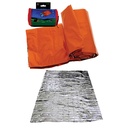
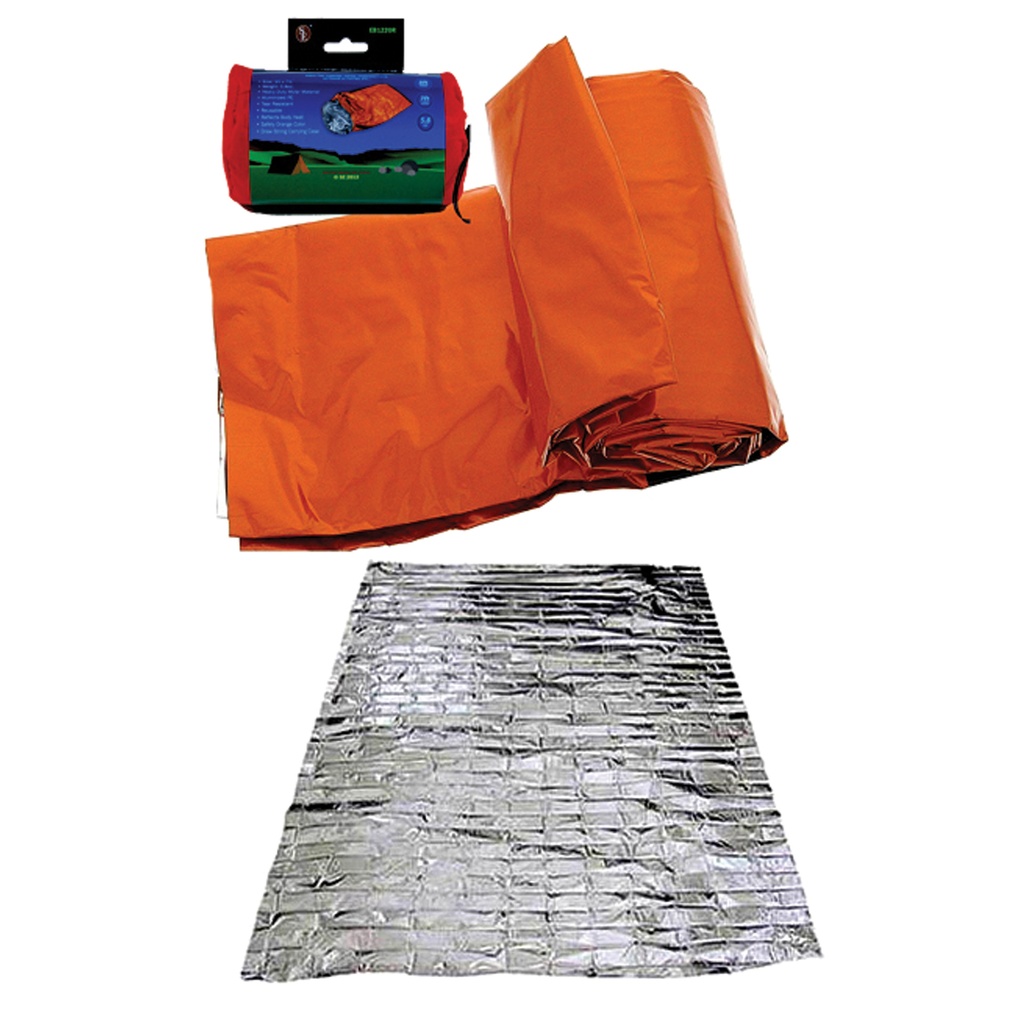
This isn’t the flimsy space blanket you forget at the bottom of your pack. The Signal Beacon Heat-Reflective Emergency Sleeping Bag uses a high-vis orange exterior to catch a rescuer’s eye and an aluminized mylar interior to reflect critical body heat. At 84 x 36 inches it actually envelopes an adult, blocks wind better than bare bivy sacks, and stows in a mesh drawstring bag that fits in glove boxes, go bags, and trail kits. It’s reusable, tough enough for real emergencies, and priced so you’ll buy two and actually carry them.
What Actually Makes the Best Emergency Sleeping Bag?
When you move from casual camping to serious emergency preparedness, “best” stops meaning plush and starts meaning does this keep me alive and get me found. The best emergency sleeping bag has to do three jobs at once: retain body heat when you’re not dressed for an unplanned night out, cut the wind that strips that heat away, and make you easier to spot when someone is looking for you. The Signal Beacon Heat-Reflective Emergency Sleeping Bag is built around those criteria rather than comfort marketing photos.
Why This Mylar Model Earns a Spot Among the Best Emergency Bags
Most emergency bags are either barely-larger-than-a-blanket tubes, or single-use crinkle foil you regret touching. This one lands in the useful middle. At 84 by 36 inches, it’s long enough to cover a full-size adult from head to toe and wide enough to wrap around bulkier clothing layers. That matters because the best emergency sleeping bag is a system: it traps a warm air layer around what you’re already wearing, not act as your only insulation.
The material is aluminized PE mylar, not bare brittle foil. In practice, that means you can unfold and repack it without it disintegrating into confetti. The silver interior does what real emergency gear should: reflect radiant heat back toward your body instead of letting it bleed into cold air, snow, or wet ground. The orange exterior is unapologetically loud, which is exactly what you want when you’d rather be seen than stylish.
Heat Retention and Wind Resistance in Real Use
Emergency mylar doesn’t generate heat; it keeps the heat you already have. Used correctly—slipping fully inside and cinching the opening near your shoulders—the Signal Beacon bag traps a surprisingly effective warm pocket, especially when you’re off bare ground or snow. The mylar layer reflects back a significant portion of the infrared heat you radiate, which is why it earns a place among the best compact emergency sleeping bags for cold, dry conditions.
Wind is a bigger killer than many people realize. That’s where this bag’s wind resistance matters. The continuous mylar shell blocks gusts far better than improvised trash-bag solutions or trying to wrap a flat blanket around yourself. It’s not a dedicated bivy with fabric reinforcements and a zipper, but for the weight and packed size, it gives you a real barrier when you’re stuck in a car, under an improvised tarp, or hunkered on a ridge waiting out weather.
High-Visibility Orange That Actually Helps You Get Found
Plenty of space blankets are metallic silver on both sides. That’s fine for heat, but poor for being spotted in brush, rain, or low light. The high-vis orange outer layer on this bag is closer to traffic cone than fashion orange. On snowfields, rocky slopes, or roadside embankments, it stands out cleanly against natural backgrounds. If you’ve ever watched a search operation from the air, you know how quickly muted colors disappear; this bag is designed to avoid that mistake.
How the Best Emergency Sleeping Bag Fits Into Real Carry
The best emergency gear is the gear you actually carry. Bulky fleece bags and full bivy systems ride in a closet; mylar bags ride in your glove box, hiking pack, or bike kit. This one comes in a mesh drawstring bag that keeps it contained without turning into a vacuum-packed riddle you can’t re-stuff. The mesh also lets residual moisture escape after use—a small design choice that makes reuse more realistic.
At this size and material, the weight and volume penalty is trivial compared to its upside. It disappears in a daypack pocket or center console, which is why it earns a “best” nod for minimalist emergency kits, vehicle go bags, and as a redundancy item in more serious backcountry setups.
Best For: When You Need a Backup Shelter, Not a Camping Bag
It’s important to be blunt: this is not a primary sleeping bag, and it’s not the best choice if you’re planning to sleep out for multiple nights by design. Where the Signal Beacon bag genuinely belongs on a best list is as a backup emergency shelter and heat-retention layer. Think unplanned overnights: a twisted ankle two miles from the trailhead at dusk, a vehicle breakdown on a cold shoulder, or a surprise storm that forces you to sit still and wait.
In those scenarios, warmth-to-weight and packability matter more than zipper quality or loft. This bag shines there. It deploys in seconds, doesn’t require you to understand how to rig a tarp, and immediately adds a crucial layer between you and convective heat loss. Used over base layers, insulation, and even another bag, it can significantly extend the comfort range of what you’re already carrying.
The tradeoffs are honest: mylar is crinkly, not silent, and it can’t match the durability of heavy fabric bivies if you’re thrashing through brush or sleeping directly on abrasive rock regularly. If you want a long-term, nightly-use solution, you should be looking at heavier bivy sacks and down or synthetic bags. If you want an emergency option that weighs almost nothing and fits anywhere, this is where it earns its keep.
Common Questions About the Best Emergency Sleeping Bags
What makes an emergency sleeping bag the best choice for EDC and go bags?
For everyday carry in vehicles, commuter packs, or small trail kits, the best emergency sleeping bag is one you don’t notice until you need it. That means three things: it packs small enough that you never talk yourself out of carrying it, it’s intuitive to use under stress, and it has real performance advantages over improvised solutions. The Signal Beacon checks those boxes with a compact mesh stuff sack, simple crawl-in tube design, and aluminized mylar that significantly reduces radiative and convective heat loss compared to just piling on extra clothing.
How does this emergency sleeping bag compare to a flat mylar blanket?
Flat mylar blankets are lighter and cheaper, but harder to use well. They demand that you wrap and hold them around yourself, which is miserable in wind or freezing rain. The Signal Beacon bag encloses most of your body with minimal fuss. That sealed tube traps warm air more effectively and blocks drafts from multiple directions. Blankets are good for stadium stands and quick wraps; this bag is better when you might be immobile, injured, or trying to sleep in marginal conditions. You give up some versatility in favor of efficiency—and for emergencies, that’s usually a smart trade.
Who should choose this emergency sleeping bag?
This bag is a strong fit for three groups: drivers who travel in cold or remote areas and want real roadside preparedness; hikers and hunters who carry light but recognize that day trips can turn into overnights; and anyone building a basic home or office emergency kit who needs a compact, reusable heat solution. If you’re assembling a full expedition kit with planned winter camping, you should pair this with a proper sleeping bag and shelter. If you’re asking, “What’s the one extra item I can add to my kit that massively improves my odds during an unexpected night out?” this is a defensible answer.
If you’re looking for the best emergency sleeping bag for unplanned overnights and compact kits, this is it—because it balances genuine heat reflection, high-visibility signaling, and reusability in a package small enough that you’ll actually keep it with you.