Tidebreak Gecko Survival-Grade Paracord - Blue Camo
10 sold in last 24 hours
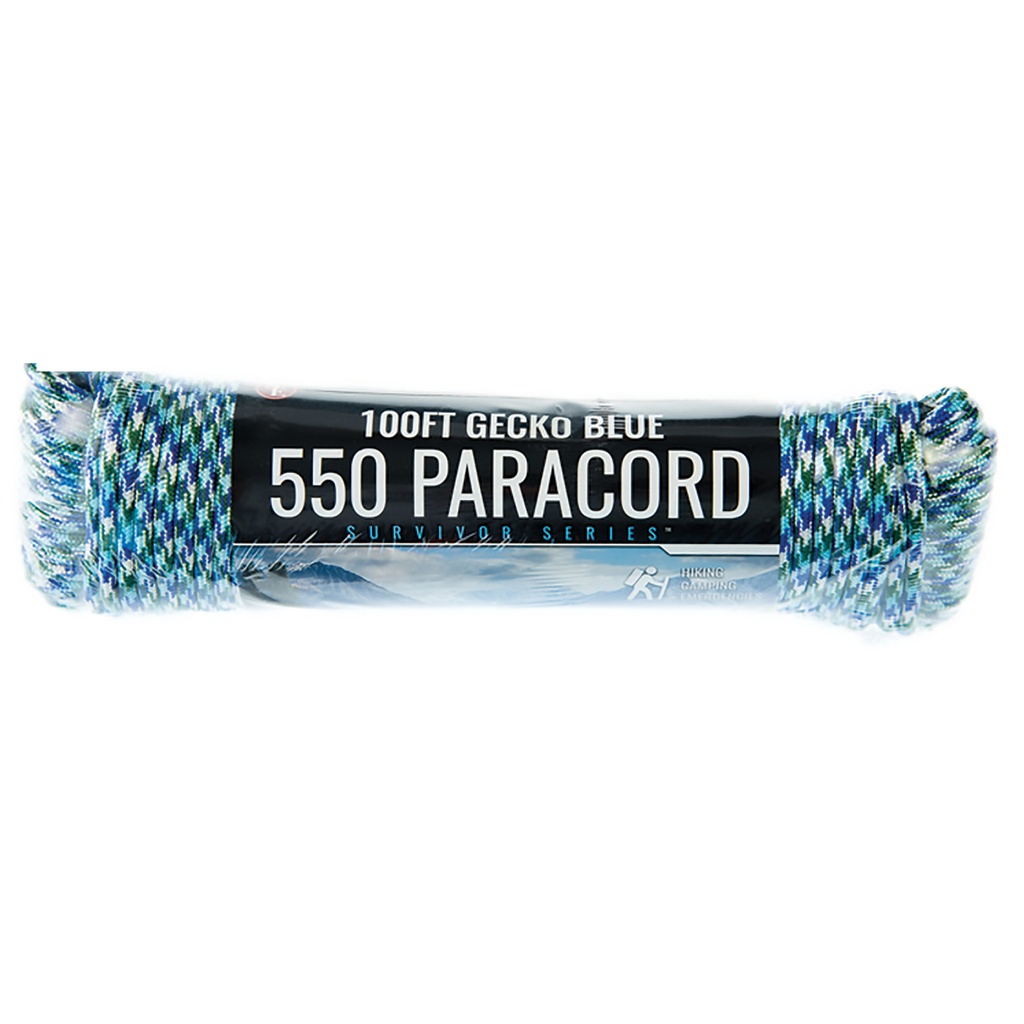
This Gecko Blue 550 paracord earns a place in every pack by doing the simple things correctly. The seven‑strand core pulls clean for improvised line, while the tight sheath knots predictably on tarps, guy lines, and gear lash‑downs. The blue camo pattern vanishes around water and sky yet stays visible enough to track in camp. At 100 feet per hank, it’s the right length for real field use—long enough for shelter, lashing, and repairs without turning into a tangled liability.
Why This Survivor-Grade 550 Paracord Earns a Spot in Serious Kits
If you build real-world kits—daypacks, river bags, truck bins—you already know not all "550" cord is equal. Some paracord frays when you cut it, some kinks when you tension it, and some turns into a useless snarl after one wet trip. This Tidebreak Gecko Survival-Grade 550 Paracord - Blue Camo earns its place because it solves those problems quietly and consistently.
On paper, it’s standard: 550 lb rating, seven-strand core, 100-foot length. In use, it’s what those numbers feel like that matters—how it knots, how it pulls when wet, and how the sheath and core behave when you actually rely on them for shelter, lashings, or emergency fixes.
What Makes the Best Paracord for Everyday Outdoor Use
Before calling any rope or paracord "best" for outdoor carry, it has to clear a few simple but unforgiving tests:
- Consistent diameter and braiding so knots dress cleanly and untie without fighting you.
- Predictable core behavior when gutted—no random fillers, no mystery fibers that melt or crumble.
- Real abrasion resistance against bark, rock, and metal hardware, not just smooth tabletop tests.
- Color with a purpose: visible when you need to see it, subdued when you don’t.
This Gecko Blue Survivor Series cord hits those marks. The outer sheath is tightly braided but not stiff, which means it threads through tarp grommets and pack loops without bunching, and it doesn’t feel like plastic wire in cold weather. Under a tarp ridge line or as guy lines, the cord bites on hardware and holds hitches without slipping.
Construction Details: Why This 550 Paracord Feels More Trustworthy
Seven-Strand Core That Actually Works Like Cordage
Plenty of budget "550" cord meets a number on a label but cuts corners inside. Here you get a proper seven-strand core you can pull and use as separate lines. Each inner strand behaves like small twine—useful for fishing leaders, gear repairs, or sewing up torn webbing in a pinch. When you strip the sheath, it doesn’t drag threads from the outer braid, which keeps both components usable instead of ruined.
Sheath Behavior in Wet and Abrasive Conditions
On wet branches or aluminum poles, some paracord turns slick and untrustworthy. Gecko Blue’s sheath maintains friction well enough for prusiks, trucker’s hitches, and taut-line hitches without glazing over. Drag it over campsite hardware, rock edges, or roof racks and you’ll see scuffing long before you see structural damage—exactly what you want from survival-grade cordage.
Blue Camo That Makes Sense in the Field
The colorway isn’t an afterthought. The blue camo pattern is tuned for water, sky, and mixed terrain. Against lakes, rivers, and coastal rock, it blends enough not to scream "neon cord" in every photo or campsite. Against leaf litter, sand, or snow, the lighter blues and white streaks keep it visible enough that you’re not tripping over guy lines at dusk.
That balance—subdued without disappearing—is what makes this some of the best paracord for outdoor kits that might see both water and woodland. It rides that line better than high-viz orange (great for visibility, terrible for subtlety) or flat black (great for stealth, awful for finding at night).
Best Paracord for Compact Survival and Camping Kits
This 100-foot hank hits a useful middle ground. It’s long enough to rig a proper shelter, build a clothesline, hang a bear bag, and still have line left for repairs. But it’s not so massive that it becomes dead weight in a daypack or glovebox kit. Coil it tighter or re-hank it and it disappears into side pockets without turning into a nylon brick.
In practice, that makes this some of the best paracord for camping and light survival setups where you want one roll that does nearly everything: tarp work, lashing, bundling firewood, and tying down loose gear on a roof rack or ATV. If you’re building a full-on basecamp or using cord for climbing-adjacent loads, you’ll still want purpose-built rope—but for everyday field tasks, this is the right tool.
Where This Cord Excels—and Where It Doesn’t
Honest tradeoffs: this isn’t the best choice if you only want maximum visibility. For search and rescue marking, trail flags, or night-time perimeter lines, high-viz orange or reflective tracer cord is better. And if you need static line or climbing rope, paracord in general is the wrong category.
Where Tidebreak Gecko shines is as an all-rounder for hikers, paddlers, overlanders, and kit builders who want survival-grade paracord that won’t look out of place on water or trail. You get enough visibility to work safely in camp, and enough subtlety that your camp doesn’t look like a construction site.
Common Questions About the Best OTF Knives
What makes an OTF knife the best choice for EDC?
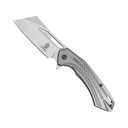
For everyday carry, the best OTF knife combines reliable double-action deployment, a blade steel that holds a working edge, and a profile slim enough to carry without noticing it until you need it. A good OTF adds one-hand operation in awkward positions—seated in a vehicle, gloved in winter, or when your off-hand is tied up with gear. What separates the best OTF knives from the rest is consistent lockup and a mechanism that still fires cleanly after pocket lint, sweat, and real use—not just showroom flicks.
How does this OTF knife compare to folding knives or fixed blades?
Against a traditional folding knife, the best OTF knife trades some brute-force strength for speed and access. You get faster, more intuitive deployment and a straighter handle-to-blade line, which makes detail cuts and controlled piercing easier. Compared to a fixed blade, an OTF carries flatter and attracts less attention, but it won’t match the sheer durability of a full-tang knife batoned through wood. In practice, OTF knives make the most sense for users who prioritize fast, one-hand access over prying strength—urban EDC, duty carry, and utility cutting over hard bushcraft.
Who should choose this OTF knife?
The best OTF knife is a fit for users who value immediate, one-hand access above all: first responders cutting webbing, tradespeople opening packaging all day, or anyone who wants predictable deployment in tight spaces. If you spend more time processing wood, prying, or digging than you do cutting cleanly, a stout folder or small fixed blade will serve better. But if your real-world cutting looks like cordage, straps, tape, light carving, and quick emergency access, a well-built OTF earns its pocket space. As with this Survivor Series paracord, the right choice comes down to matching the tool to the work—not chasing the most tactical spec sheet.
If you’re building a kit and need paracord that quietly does its job across water, trail, and camp, this Tidebreak Gecko Survival-Grade 550 Paracord - Blue Camo is the one to coil. It earns that place because the seven-strand core pulls clean, the sheath knots and holds under real tension, and the blue camo pattern strikes the rare balance between field-subtle and camp-visible. It’s not the loudest cord on the wall, just the one you’ll still trust after it’s been dragged through a season of actual use.