Trailline Quick-Deploy EDC Folding Knife - Desertwood
12 sold in last 24 hours
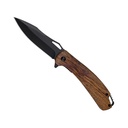
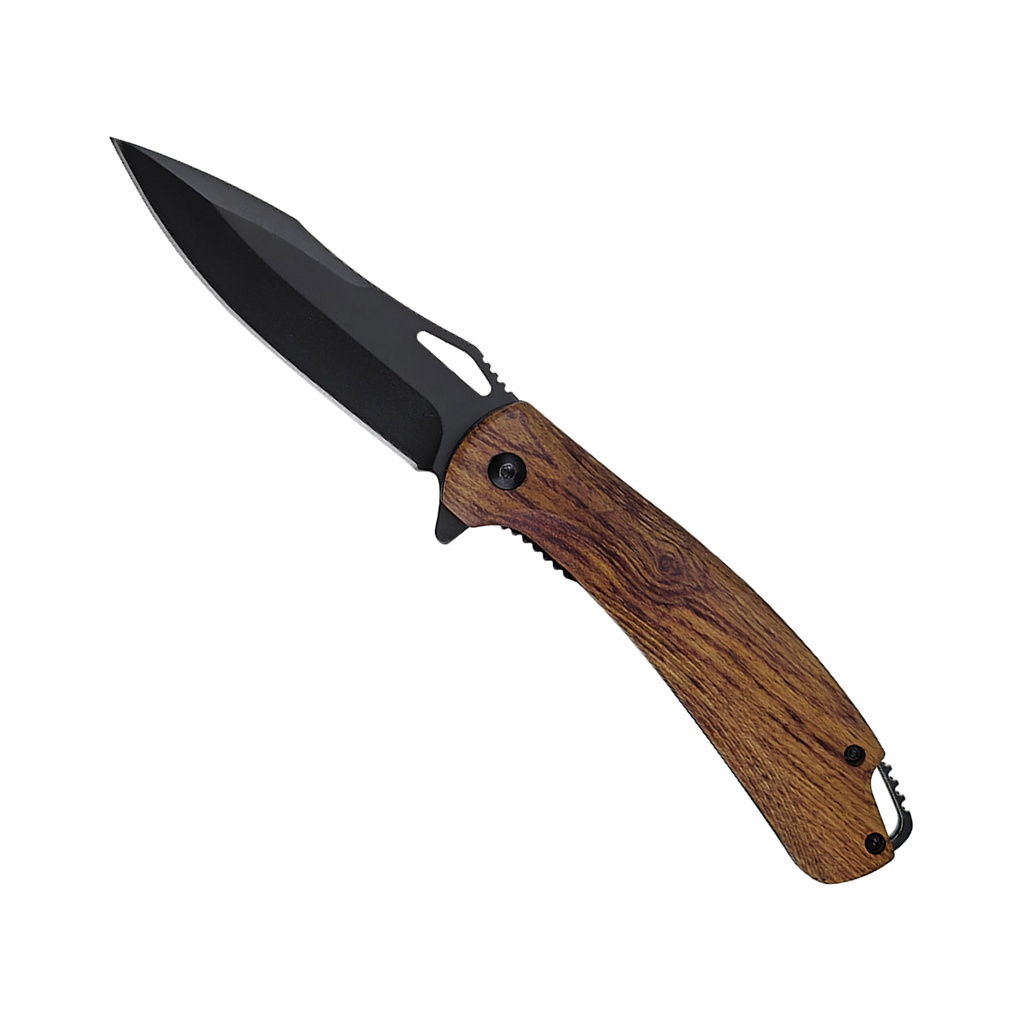
This feels like a trail knife tuned for real EDC. The spring-assisted 3.37-inch drop-point blade snaps out via flipper or thumb hole, while a liner lock and jimped spine keep it secure under pressure. Light brown wood scales give genuine grip and warmth, not plastic imitation. At 4.5 inches closed with a pocket clip and lanyard hole, it carries easily but works hard on boxes, cord, and camp chores for buyers who want practical utility wrapped in natural wood.
What Makes the Best EDC Folding Knife in This Price Range?
At this price, the best everyday carry knife isn’t the one with the flashiest materials; it’s the one that actually works, opens when you need it, and doesn’t fight you in the hand. When I evaluate budget EDC folders, I’m looking for four things: consistent deployment, a lock you can trust, ergonomics that don’t create hot spots, and steel that’s easy to maintain. The Trailline Quick-Deploy EDC Folding Knife - Desertwood clears that bar in a way a lot of similarly priced knives simply don’t.
Why This Knife Earns a Spot Among the Best EDC Folders
Mechanically, this is a spring-assisted folding knife with a 3.37-inch black-oxidized drop-point blade and liner lock. In practice, that translates to a knife that feels faster and more confident than most manual budget folders. The assisted mechanism engages cleanly whether you use the flipper tab or the elongated thumb hole, and after repeated openings it still tracks straight with no side-to-side blade wobble.
Deployment: Assisted Speed Without the Fumble Factor
A lot of cheap spring-assisted knives feel like they want to jump out of your hand; this one doesn’t. The detent is tuned so you need a deliberate push on the flipper, but once it moves, the spring takes over and the blade snaps fully open. The thumb hole gives you a slower, more controlled option if you’re opening it in tighter spaces or around people who don’t love knives. For everyday carry, that combination is more useful than raw speed alone.
Lockup and Control Under Real Use
The liner lock engages positively with a clear tactile stop and no over-travel. What matters is that under pressure—slicing cardboard, breaking down light wood for kindling, or bearing down on rope—the blade doesn’t feel like it’s flexing out of line. Jimping on the spine lets your thumb index naturally and adds control during push cuts. You’re not getting tank-like overbuilding here, but you are getting a lock that behaves predictably for normal EDC tasks.
Blade Steel and Geometry: Honest 3Cr13 Utility
The blade is 3Cr13 stainless steel with a black-oxidized finish. Nobody buys 3Cr13 for bragging rights, and it doesn’t compete with premium steels on edge retention. What it does offer at this level is corrosion resistance and very easy sharpening. If you’re the type who cuts a lot of cardboard, food packaging, or light cord, you’ll find it dulls sooner than mid-tier steels—but it also comes back quickly with a basic stone or pull-through sharpener.
Drop-Point Shape Built for Everyday Tasks
The drop-point profile with a slight swedge gives you a strong tip without feeling needle-fragile. It pierces tape and packaging cleanly, then transitions smoothly into longer draw cuts. The plain edge means you’re not fighting serrations when you sharpen. At 3.37 inches, the blade is long enough for food prep at camp or general utility, but short enough to stay pocketable and non-intimidating.
Carry and Ergonomics: Where This Knife Is Best
Closed, this knife measures 4.5 inches, which is a sweet spot for the best EDC folders: large enough to fill the hand, small enough to disappear along a pocket seam. The pocket clip (mounted on the reverse side) holds it consistently in place without biting into the palm when you grip it. The exposed metal backspacer and lanyard hole give you extra options for retention or personalizing the carry setup.
Wood Handle That Actually Works Hard
The light brown wood scales are more than just a styling choice. Wood warms to the touch in a way synthetic handles don’t, and the curved profile locks into the palm better than flat-sided budget knives. That curve, paired with subtle contouring and jimping near the butt, keeps the knife indexed even when your hands are slightly wet or cold. If you want the best EDC folding knife that still looks at home on a hiking trail or campsite table, this desert-toned handle makes sense.
Best For: Budget-Friendly Everyday Carry With an Outdoors Bent
This isn’t the best choice for heavy-duty survival work, prying, or extended batoning; the steel and liner lock aren’t built for abuse. Where it genuinely is one of the best EDC folding knives in its class is light to moderate daily use with occasional trail or camp duty. Think opening delivery boxes, trimming cord, cutting fruit at camp, whittling kindling, or handling quick camp-kitchen tasks.
Because it’s affordable and uses 3Cr13, you’re not going to baby it. You can throw it in a daypack, lend it to a friend, or use it in situations you might hesitate to risk a more expensive blade. That makes it an appealing option for buyers building a first everyday carry kit or adding a wood-handled “beater” they won’t mind scuffing.
Common Questions About the Best OTF Knives
What makes an OTF knife the best choice for EDC?
For strict terminology, this Trailline is not an OTF knife; it’s a spring-assisted folding knife, which many buyers consider a more practical everyday carry option. The best OTF knife for EDC offers safe, reliable out-the-front deployment with a robust double-action mechanism and secure lockup. By comparison, a spring-assisted folder like this one gives you similar one-handed speed with a more familiar side-folding format and generally simpler maintenance.
How does this knife compare to a true OTF knife?
Versus a true OTF, this spring-assisted folder trades the straight-line, out-the-front deployment for a lateral folding motion. You lose some novelty and instant inline deployment, but you gain a more conventional profile, easier cleaning, and typically fewer moving parts to fail. If your priority is the best OTF knife for tactical or rapid deployment scenarios, an OTF wins. If you want dependable, budget-friendly EDC performance with natural wood ergonomics, this Desertwood folder is the more sensible pick.
Who should choose this spring-assisted Desertwood knife?
Choose this knife if you’re EDC-focused, budget-conscious, and prefer a natural wood handle over aggressive synthetic scales. It suits day hikers, casual campers, and everyday users who want assisted-opening speed without the legal or mechanical complexity some best OTF knife options can bring. Skip it if you routinely baton wood, pry, or need premium steel edge retention; this is built for honest light-to-medium duty, not abuse.
If you’re looking for the best everyday carry folding knife in this price range that blends quick deployment, comfortable wood ergonomics, and easy maintenance, this is it—because the assisted mechanism is reliable, the 3Cr13 steel sharpens quickly, and the Desertwood handle actually makes extended use more comfortable instead of just prettier.
| Blade Length (inches) | 3.37 |
| Overall Length (inches) | 7.87 |
| Closed Length (inches) | 4.50 |
| Blade Color | Black |
| Blade Finish | Black oxidized |
| Blade Style | Drop Point |
| Blade Edge | Plain |
| Blade Material | 3Cr13 stainless steel |
| Handle Material | Light brown wood |
| Theme | None |
| Pocket Clip | Yes |
| Deployment Method | Spring-assisted |
| Lock Type | Liner lock |