
Urban Rescue Rapid-Access Tactical Backpack - Signal Red
9 sold in last 24 hours
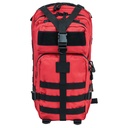
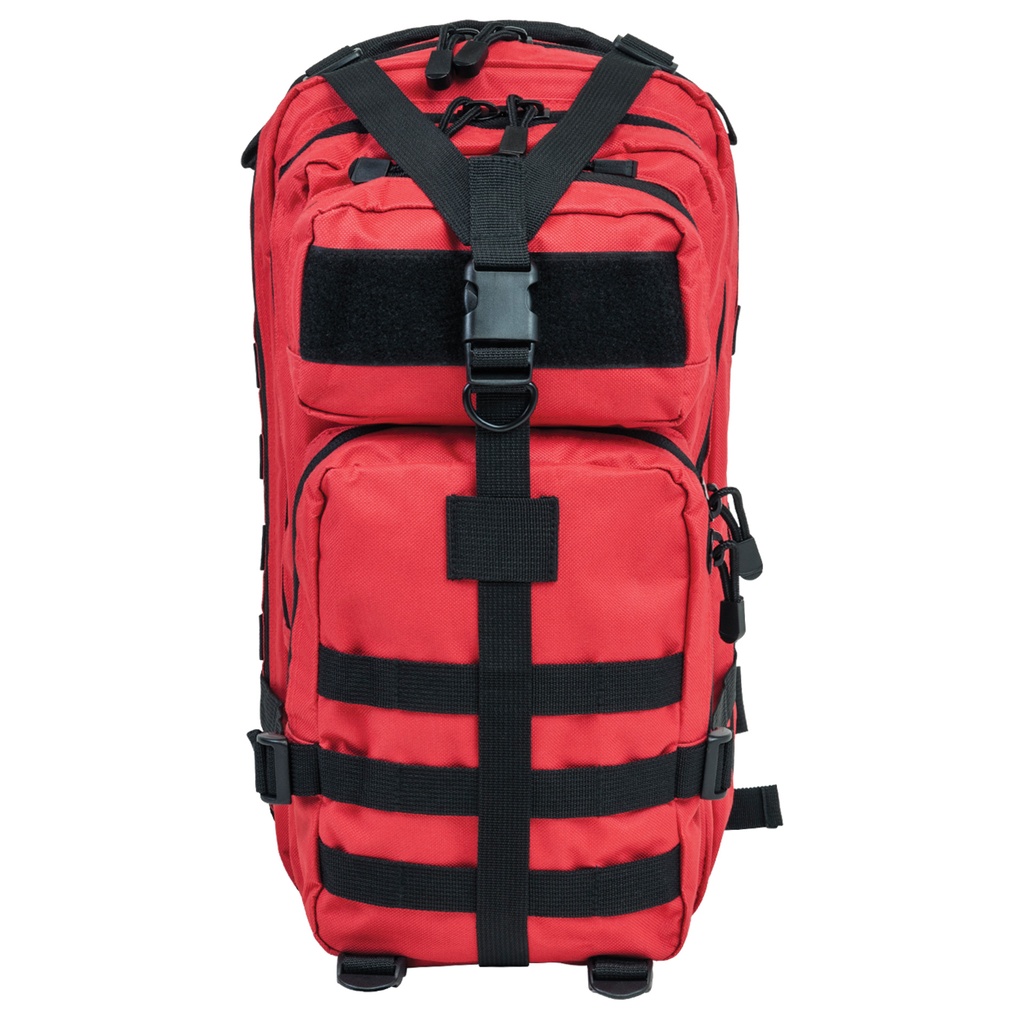
This pack earns its place in a daily carry rotation by doing something most “tactical” backpacks don’t: it stays compact and genuinely fast. The signal red shell is easy to spot in a crowded trunk or dark closet, while the 17 x 8.75 x 4.5 in. main compartment is just big enough for essentials, not clutter. MOLLE webbing, compression straps, and adjustable sternum and waist belts keep the load tight on stairs, bikes, or trails. Ideal for urban EDC, grab‑and‑go kits, and short hikes.
What Actually Makes a Backpack the “Best” for Urban EDC?
For an everyday carry pack, “best” isn’t about the longest feature list. It’s about how the bag behaves when you’re sprinting for a train, weaving through traffic on a bike, or grabbing gear in bad light. The Urban Rescue Rapid-Access Tactical Backpack - Signal Red earns its keep by staying small, visible, and stable when you’re moving fast.
Instead of chasing maximum capacity, this pack prioritizes rapid access and load control. The main compartment footprint is 17 x 8.75 x 4.5 inches—enough for a jacket, tablet, med kit, and a few extras, but not so deep that gear disappears into a black hole. Compression straps, a sternum strap, and a waist strap keep that compact load from sloshing around. If your idea of the best everyday bag is one you can put on and forget until you need something, this is built for that job.
Why This Pack Functions Like the Best “OTF” for EDC—But in Backpack Form
In the knife world, the best OTF knife for everyday carry is the one you can deploy instantly and trust mechanically. This backpack hits the same notes for your larger carry. The signal red shell and front layout make it impossible to lose in a car trunk, gear closet, or under a desk. Dual heavy-duty zippers on the main compartments and the front pocket give you fast, one-handed access; you don’t fight the pack to get to your gear.
Multiple external zip pockets are stacked vertically, so you can dedicate each to a role—med kit up high, tools mid-level, quick snacks or chargers down low. That separation matters when seconds count. You’re not digging through a single overstuffed pocket hoping the right item surfaces.
Rapid Access Layout, Not Just Extra Pockets
The front of the pack is a simple, readable grid: a lower zip pocket with MOLLE-style webbing, an upper pocket with a hook-and-loop patch panel, and a central vertical compression strap with a side-release buckle that anchors the load. In practice, this means you always know which zone holds which category of gear, and the strap keeps the shell from ballooning when fully loaded.
High-Visibility Shell with Tactical Control
Signal red fabric on a tactical silhouette is a deliberate choice. If you need the best bag for emergency or urban EDC, you don’t want to blend into the background when you’re hunting for gear. The red shell pops instantly in low light, while black webbing, buckles, and MOLLE keep it grounded in serious use, not fashion.
Build and Carry: How It Actually Rides All Day
A lot of small tactical backpacks look the part but carry like a brick. This one leans into its size class to stay comfortable. The relatively slender 8.75-inch width and shallow 4.5-inch depth keep the center of gravity close to your back. On stairs or a bike, you feel the load move with you instead of lagging behind.
Adjustable shoulder straps handle the usual fit tweaks, but the sternum strap and waist strap are what turn this from a simple daypack into something you can run in. When cinched, they lock the pack to your torso, and the side compression straps draw the bulk tight, so the contents don’t sway or slap your back.
MOLLE and Attachment Points for Real Customization
The horizontal front MOLLE-style webbing and side compression zones aren’t decor. They accept common pouches, small med kits, or utility holsters. A D-ring attachment point under the main front buckle and loops at the reinforced bottom give you options for lashing tripods, roll-up jackets, or trauma shears. You can keep the pack clean for commuting or build it out for a field or range day.
Best Use Case: High-Visibility Urban EDC and Grab-and-Go Kits
This isn’t the best choice if you’re trying to replace a full 3-day pack. The main compartment simply isn’t built for bulk clothing or heavy camping loads, and that’s by design. Where it excels is as the best small backpack for urban everyday carry when you value speed, visibility, and organization over raw capacity.
If you’re assembling a compact emergency kit for your car, a daily commuter rig, or a weekend-trail daypack, the size starts making sense. You can keep a focused loadout—water, first-aid, basic tools, power bank, lightweight shell—without the temptation to overload. The pack basically enforces discipline: if it doesn’t fit, you probably don’t need it for a day trip.
Honest Tradeoffs
Because the shell is bright red, this is not the best pack for hunters who need to vanish in the woods, nor for anyone who insists their gear be low-profile black or gray-man neutral. And while the tactical styling is real, the footprint is intentionally small; if you regularly carry laptops over 15 inches or bulky camera kits, you’ll bump into its limits quickly. But if your priority is a compact, instantly identifiable pack that moves quickly through the city and short trails, those tradeoffs are exactly what make it work.
Common Questions About the Best OTF Knives (and Why This Pack Shows Similar Priorities)
What makes an OTF knife the best choice for EDC?
The best OTF knife for everyday carry combines three things: reliable one-handed deployment, a mechanism that holds up to repeated use, and a form factor that disappears in the pocket until needed. Knife users accept that they’re trading some raw toughness for access and speed. This backpack is built around the same equation—rapid access, reliable hardware, and a compact footprint that stays out of your way, until it’s time to work.
How does this OTF-style EDC loadout compare to a bulkier pack?
Think of a big 40-liter ruck as the hard-use fixed blade of packs: tough, roomy, and overkill for daily carry. In contrast, this small tactical backpack is like the best OTF knife for EDC—faster to deploy, easier to live with, and honest about its limits. You lose long-haul capacity, but you gain speed, organization, and a pack that doesn’t feel ridiculous on a subway, in an office, or on a short trail.
Who should choose this backpack for their everyday kit?
Choose this if your reality is more city blocks than backcountry miles, and you want something that behaves like an EDC tool, not luggage. Urban commuters who carry a tight kit, preparedness-minded buyers assembling a grab-and-go bag, and hikers who favor short, fast outings will get the most from it. If you frequently haul laptops, textbooks, or multi-day gear, step up to a larger pack instead.
Final Verdict: The Best Compact Tactical Backpack for High-Visibility Urban EDC
If you’re looking for the best compact tactical backpack for high-visibility urban EDC, this is it—because it prioritizes rapid access, disciplined capacity, and real load control over marketing features. The signal red shell is easy to find when it matters, the 17 x 8.75 x 4.5 in. main compartment keeps your kit focused, and the MOLLE, compression straps, sternum, and waist belts make it carry like a serious tool rather than a fashion piece. Used within its size sweet spot, it behaves the way a good EDC knife does: always there, instantly accessible, and never in the way.