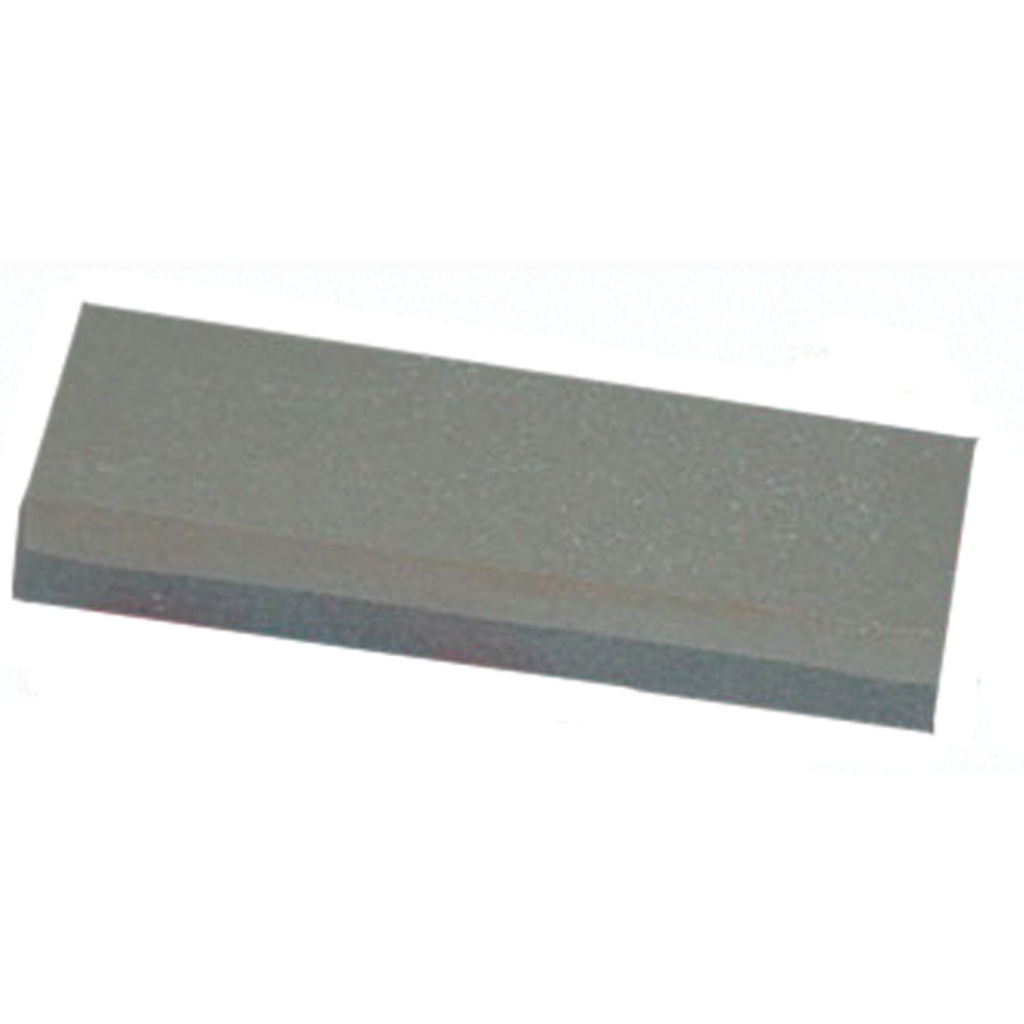
Quiet Edge Dual-Grit Sharpening Stone - Two-Tone Gray
8 sold in last 24 hours
This isn’t a gimmick block; it’s the quiet sharpening stone you actually use. The dual grit, two-tone gray faces make it obvious which side shapes and which side refines, so you don’t overthink the process. It works with water or light oil on a bench or tailgate, and the flat, rectangular form makes angle control straightforward. For anyone who wants reliable edge maintenance without a bulky system or learning curve, this stone is the practical choice.
What Actually Makes the Best OTF Knife — and Why Edge Care Matters
When you’re shopping for the best OTF knife for everyday carry, you spend a lot of time comparing deployment speed, lockup, and steel. What’s easy to overlook is that every “best OTF knife” turns into dead weight once the edge goes dull. Mechanism and steel only matter if you can maintain a working edge. That’s where a simple, dual grit sharpening stone like the Quiet Edge Dual-Grit Sharpening Stone - Two-Tone Gray quietly earns its place in your kit.
This isn’t an OTF knife, but it directly affects how your best OTF knife performs after months of real EDC use. Instead of a complicated sharpening system that never leaves the bench, this stone is built to live where your knives actually are: in the shop, in the truck, or in the field.
How This Dual-Grit Stone Supports Your Best OTF Knife for EDC
If you carry an OTF as your primary everyday carry knife, your sharpening setup needs to match that same EDC reality: compact, predictable, and repeatable. This dual grit whetstone covers the full cycle you’ll actually use with an OTF blade — from fixing minor damage to restoring a razor edge — without a box of accessories.
Two Grits, One Block: Coarse to Fine Without Guesswork
The stone uses a simple, two-tone gray design to separate the coarse and fine faces. The lighter gray side handles shaping and small chip removal; the darker layer refines the edge to a clean, slicing finish. There’s no printed chart to fade, no mystery color coding — you can see and feel the difference, even when the stone is wet or dusty.
For a typical EDC OTF knife, that means you can:
- Touch up a working edge in a few passes on the fine side
- Correct minor roll or flat spots on the coarse side, then finish on the fine
- Keep a consistent process between different steels without switching stones
Water or Oil Use for Real-World Flexibility
The abrasive is synthetic and compatible with either water or light oil. In practice, that gives you options: use water at the sink for a quick tune-up on a double action OTF, or keep a small bottle of oil in the truck and sharpen on the tailgate. There’s no proprietary fluid requirement, which matters if you’re maintaining knives away from the bench.
Why This Stone Earns a Spot with the Best OTF Knife Setups
The best OTF knife setups aren’t just about the blade itself; they’re about everything that keeps that blade honest: sheath, pocket clip, and sharpening gear. This two-sided whetstone matches the same minimalist, utility-first approach that serious OTF users appreciate.
Flat, Predictable Geometry for Angle Control
The rectangular, flat profile with sharp corners isn’t cosmetic. It gives you a known, stable surface so you can hold a consistent bevel angle. That matters a lot more than exotic abrasives for most users. With typical OTF blade geometries — often spear point or drop point with relatively narrow bevels — this kind of flat stone lets you feel when you’re riding the edge instead of drifting into the shoulder.
The stone has enough thickness to sit securely on a bench or be pinched in the hand for quick field work. There are no molded cradles or angle guides to fight against; you control the angle, which is how you get predictable results across different knives.
Minimalist, Unbranded Surfaces for Maximum Working Area
There are no logos or printed marks on the abrasive faces. That sounds trivial until you’ve worn a logo patch into a high spot that grabs and scratches your blades. Here, every millimeter of the light and dark gray faces is usable abrasive. For broad OTF blades or wider utility knives, that uninterrupted surface lets you sweep the whole edge in a single pass.
Best For: Simple, Reliable Edge Maintenance on EDC and OTF Knives
In use, this stone proves it’s best for knife owners who want a low-friction way to keep their everyday carry and OTF knives sharp without investing in a full guided system. It’s especially well-suited to:
- EDC OTF carriers who just need a working, not mirror-polished, edge
- Tradespeople using utility-oriented folders that see daily abuse
- Outdoors users who need one compact stone for camp and home
Where it’s not the best choice is obsessive, mirror-finish polishing or highly specialized steels that benefit from ultra-fine ceramics or diamond plates. If you’re chasing perfect symmetry at 0.5° tolerance, you’ll want a guided system. If you’re maintaining good factory edges on mainstream steels, this stone is enough — and faster to use.
Tradeoffs and Honest Limitations
Like any honest tool, this dual grit sharpening stone comes with tradeoffs:
- No labeled grit numbers: You work by feel and function rather than chasing specific grit ratings. That’s fine for most OTF and EDC users, but less ideal if you’re documenting exact progression steps.
- Requires basic skill: You still need to learn to hold a consistent angle. The stone won’t correct bad technique the way a fixed-angle system might.
- Not a showcase piece: The two-tone gray block is visually minimalist. If you want a display-worthy sharpening system, this isn’t it; it’s built to be used, not admired.
Those compromises are what keep it compact, affordable, and straightforward enough to actually live near your best OTF knife instead of staying in a drawer.
Common Questions About the Best OTF Knives
What makes an OTF knife the best choice for EDC?
The best OTF knife for everyday carry combines reliable double-action deployment, secure lockup, and a blade steel that holds a working edge without being impossible to sharpen. A slim handle that disappears in the pocket and a mechanism that tolerates pocket lint matter just as much as raw speed. Crucially, the best OTF knife for EDC also uses a grind and steel you can maintain on a basic stone like this dual grit whetstone; if you can’t resharpen it, it’s not a practical EDC tool.
How does this OTF-support sharpening stone compare to guided systems?
Compared to clamp-on or fixed-angle guided systems, this dual grit stone is simpler, faster to set up, and easier to use in the field. You lose the precision angle control and ultra-fine finishing options of a full system, but you gain portability and repeatable maintenance on any blade — including OTF knives with unusual handle geometries that don’t always clamp well. For most users carrying what they consider the best OTF knife for daily tasks, this stone offers a realistic balance of control, speed, and cost.
Who should choose this sharpening stone?
Choose this stone if you own one or two good knives — maybe an OTF for EDC and a secondary folder — and want a single, low-maintenance way to keep them sharp. It suits buyers who value function over gadgetry and are willing to learn basic freehand technique. If you’re running a large collection of premium steels or chasing highly polished bevels, you’ll want a more complex system. If you just need your best OTF knife to cut cleanly every day, this stone will quietly do that job.
If you’re looking for the best OTF knife for everyday carry, pairing it with a sharpening stone like this is what keeps it “best” after the honeymoon period ends. This dual grit, two-tone gray block earns its spot because it turns edge maintenance into a simple habit instead of a weekend project.