Urban Solar Shield Emergency Blanket - Silver Mylar
12 sold in last 24 hours
This isn’t a novelty space blanket; it’s the piece that actually keeps you functional when the temperature drops. The Urban Solar Shield Emergency Blanket folds to true pocket size yet opens to 52 x 82 inches—large enough to wrap an adult with overlap. Its silver mylar reflects body heat efficiently and blocks wind, which matters more than thickness when you’re stationary and cold. It’s light enough for every go-bag, glove box, and first‑aid kit, and durable enough to fold back down and reuse if you treat it with basic care.
Why a Heat-Reflective Emergency Blanket Earns a Spot in Every Kit
Before talking brands or buzzwords, it’s worth being blunt: most people underestimate how fast you get cold once you stop moving. A mylar emergency blanket like the Urban Solar Shield Emergency Blanket - Silver Mylar doesn’t work by being cozy; it works by reflecting the heat you’re already producing and blocking the wind that steals it. That’s the core job, and it’s exactly where this blanket earns its keep in a go-bag, glove box, or first-aid kit.
Build and Coverage: What You Actually Get When You Open It
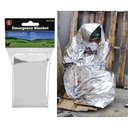
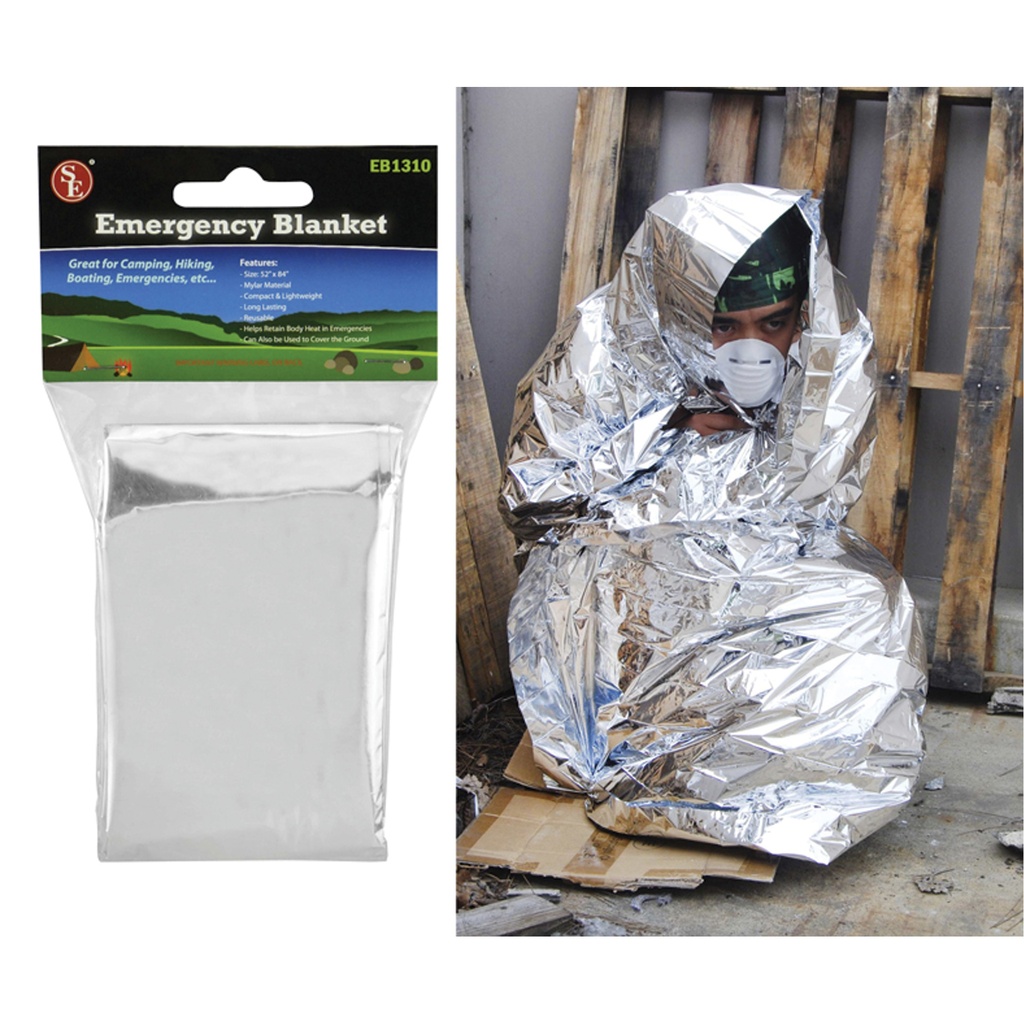
Folded in its retail poly bag, this looks like any other silver emergency sheet. Open it and the differences become more obvious. You get a 52 x 82 inch sheet of silver mylar—big enough to wrap a full-size adult with overlap at the shoulders, or to cover a person lying down with room to tuck under at the sides. Many ultra-cheap blankets shave a few inches in width or length; that matters when you’re trying to keep wind from finding a gap.
The material is thin, as all space blankets are, but the mylar has enough stiffness to hold a folded edge. That’s useful when you’re trying to create a quick wrap or makeshift bivy instead of fighting a clingy, tissue-thin sheet. In hand, it crinkles like a chip bag, not like plastic wrap—a small but practical distinction when you’re trying to deploy it in the dark or with gloves on.
Wind Blocking and Heat Reflection in Real Use
This blanket is explicitly heat-reflective and wind-blocking. In practice, that means two things:
- It immediately cuts the chill from moving air if you wrap it snugly, which is often the first and biggest comfort gain.
- The reflective silver surface bounces your own body heat back at you, which matters once you’ve been cooling down for 10–15 minutes.
Is it warm like a sleeping bag? No—and it shouldn’t be sold as one. But if you’re sitting on a curb after a car breakdown, waiting out a sudden temperature drop at a trailhead, or stabilizing someone who’s gone into shock, the difference between exposed clothing and a reflective, wind-blocking shell is not subtle.
Portability and Real-World Carry: Why This Actually Gets Packed
The best emergency gear is what you actually carry. This blanket folds down to genuine pocket size and rides in a retail-ready poly bag with a header card. For individuals, that means it disappears into a glove box, seat-back organizer, daypack lid, or first-aid pouch and stays there until needed. For organizations or resellers, the hangable header card makes it practical to display in bulk without repackaging.
At under an ounce-class weight and a footprint similar to a small paperback’s thickness, it doesn’t compete with more substantial insulation—it complements it. In a mountain pack you’d pair this with a real insulating layer. In an urban commuting bag or office drawer, this may be the only thermal protection you have, and it’s far better than nothing.
Reusable—With Realistic Expectations
The blanket is labeled reusable. That’s accurate if you treat it like a tool, not a disposable rag. If you avoid punctures, fold it reasonably instead of wadding it into a ball, and don’t drag it over splintered pallets or sharp gravel, it can be folded back into a compact brick and stashed again. If you use it aggressively as a groundsheet or tarp, expect it to look like it’s been through a long weekend—it may still reflect heat, but you shouldn’t bank on tight windproof performance after hard abuse.
Best Use Case: Emergency Thermal Shell, Not Primary Shelter
This emergency blanket is best for short-term thermal protection—the time between when things go wrong and when you get to real shelter or medical care. That’s when wind-blocking and heat reflection matter most, and where this design delivers.
What it is not best for is long-duration camping comfort. If you need overnight insulation on purpose, you want a sleeping bag and a pad, not a thin thermal film. This blanket shines in scenarios like:
- Car kits for winter driving—somebody stuck roadside after dark.
- First-aid kits—keeping an injured person’s core temperature from dropping.
- Day-hike and bicycle kits—unexpected storms, delays, or minor injuries that turn into waiting time.
- Emergency bins at schools, offices, and community shelters.
In all of those, space and cost are tight, but you still need something that provides immediate, full-body coverage. A 52 x 82 inch reflective sheet does that more reliably than “just another hoodie.”
Value and Kit Integration
Part of what makes this style of emergency blanket so widely adopted is the price-to-performance ratio. For well under the cost of a meal, you get a dedicated thermal tool that lives in your gear until you (or someone near you) really need it. The simple silver mylar construction keeps costs down without sacrificing the two functions that matter: heat reflection and wind blocking.
For resellers and organizations—outfitters, emergency prep programs, event organizers—the poly bag with header card packaging means it’s ready for hooks, bins, and bulk distribution with no extra work. For individual users, that same packaging keeps it from unraveling in a pack and gives you a defined, compact brick to pack around when space is tight.
Common Questions About the Best Emergency Blankets
What makes an emergency blanket the best choice for EDC?
For everyday carry and general emergency preparedness, the best emergency blanket is the one that balances three things: it must be small enough to carry without thinking about it, large enough to wrap an adult effectively, and effective enough at blocking wind and reflecting heat to matter in a real incident. This blanket hits that balance by folding to pocket size while still opening to 52 x 82 inches of silver mylar that acts as a thermal and wind barrier. It’s not luxurious, but when you’re cold and waiting for help, function beats comfort gear you left at home.
How does this emergency blanket compare to a regular blanket or jacket?
A regular blanket or jacket insulates by trapping warm air in its fibers, which works well if you already have it on and it’s dry. A mylar emergency blanket works differently: the thin film doesn’t insulate much on its own, but its reflective surface bounces your body’s radiant heat back and its unbroken sheet blocks wind completely. In practice, that means this is superior to a light cotton blanket in cold wind or rain, but clearly inferior to a real insulated sleeping bag for overnight comfort. Think of it as an emergency shell layer, not a substitute for intentional camping gear.
Who should choose this emergency blanket?
This emergency blanket makes the most sense for people building kits where space, cost, and reliability all matter. That includes drivers in cold or variable climates, parents assembling school or sports emergency bags, day-hikers who don’t want to carry a full bivy sack, and organizations that need compact, easy-to-distribute thermal protection for groups. If you already have robust camping gear and never travel light, it’s a backup. If you commute, hike, or manage shared spaces where emergencies are someone else’s problem until suddenly they’re yours, this is the kind of quiet insurance that earns its place.
If you’re looking for a compact, low-cost way to add meaningful thermal protection to vehicle kits, daypacks, or group emergency bins, this emergency blanket is a smart choice because it prioritizes the only two things that matter in that moment: enough coverage to wrap a person, and a reflective, wind-blocking shell that keeps their existing body heat working for them instead of bleeding into the air.